Process
3-Axis vs 5-Axis CNC Machining: Cost, Setup Time, and When It Pays
Where the extra hourly rate on a 5-axis machine actually saves money — and where it just costs more.
From CAD to prototype to production machining, OPTCJ is built to remove the friction between your design and a part you can actually assemble. Send us a STEP file and you get back a machined part, a DFM review, and a price — not a sales pitch.
Your design does not need a tooling budget to become real. We machine prototypes in the material and process you intend to produce, so test results actually mean something. DFM feedback is included on every quote; lead time depends on the drawing.
Once the design is frozen, we scale it with repeatable process controls and inspection at each step, so later batches match the approved first article.

Milling, turning, 5-axis, Swiss, EDM, finishing, and inspection — all in-house in Chang'an Town. Nothing gets brokered out to a shop we cannot audit.

3-axis and 4-axis machining centers for brackets, housings, plates and enclosures, in aluminum and other metals.
Learn more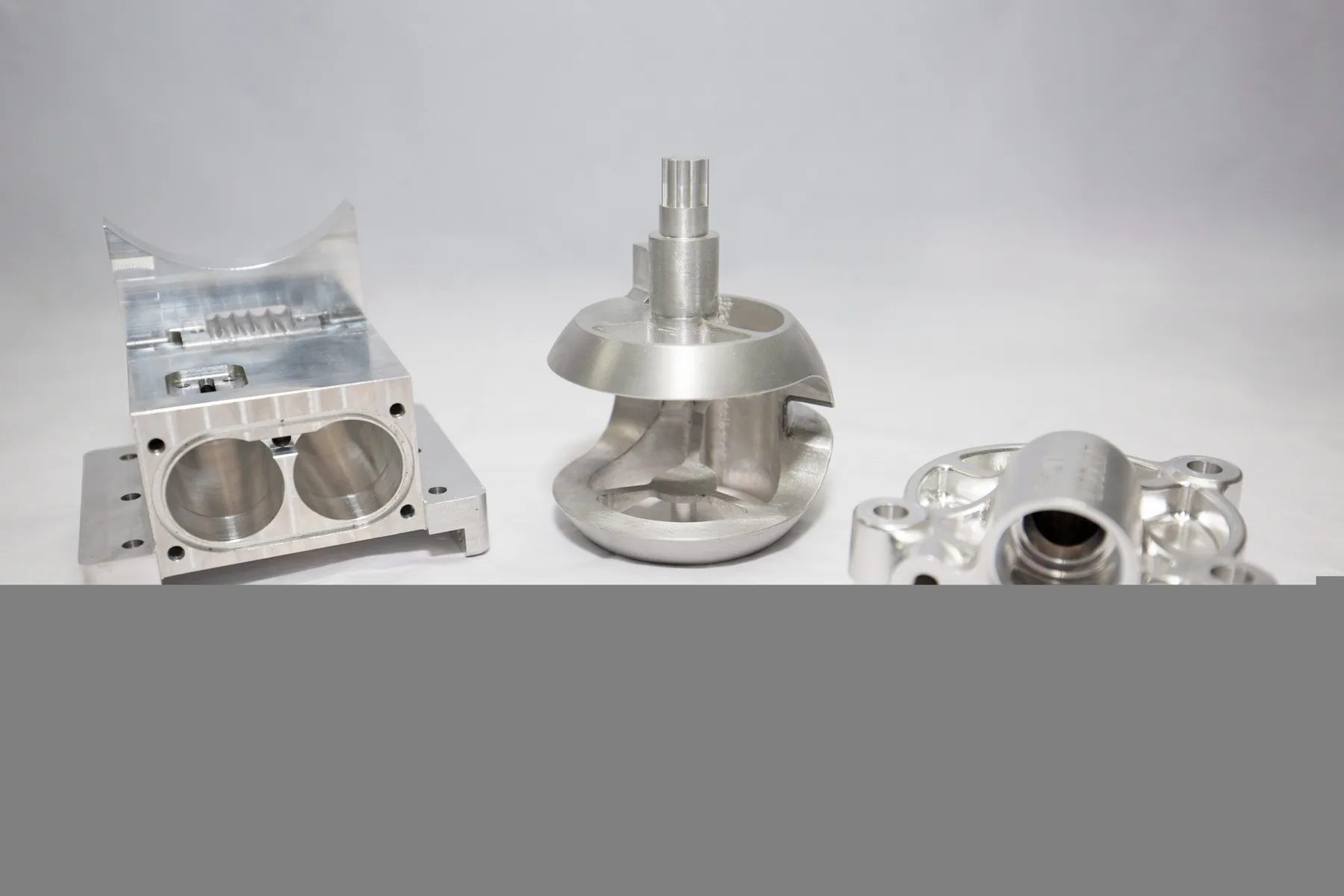
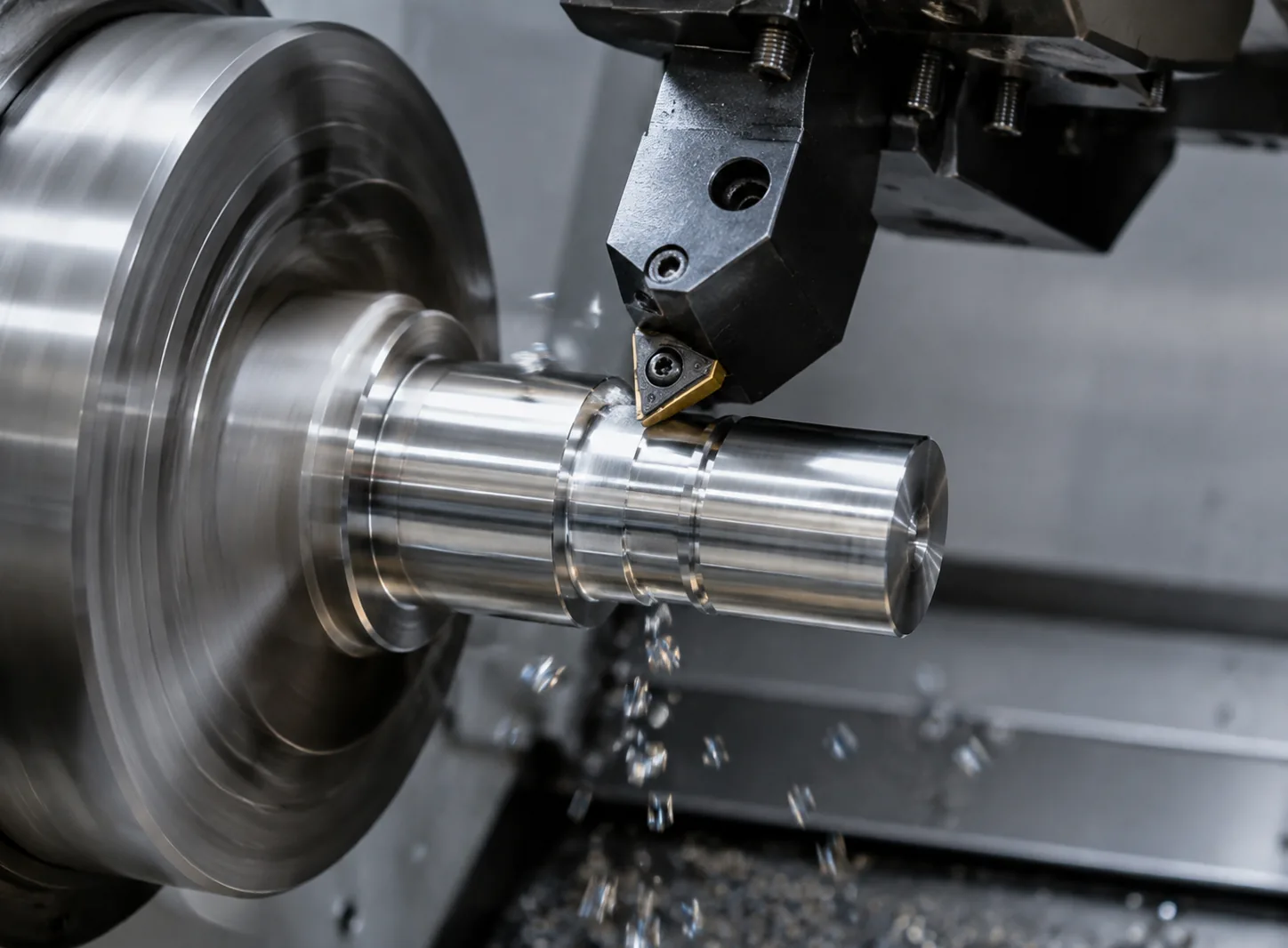
Standard and live-tool lathes up to Ø380 mm swing. Shafts, bushings, fittings and connectors turned complete in a single setup.
Learn more
Simultaneous 5-axis machining on our U400A center. Complex geometry, multi-face and thin-wall parts finished in one clamping.
Learn moreSwiss-style and turn-mill lathes for long slender shafts and close-tolerance small parts, many finished complete in a single setup.
Learn moreAluminum is our core — 6061-T6 most of all. We also machine stainless steel, brass and selected engineering plastics; ask about your material.
Learn more
Anodizing, bead blasting, passivation and laser marking, then dimensionally checked in-house with inspection report on request.
Learn more
A one-off prototype and a larger production run need different processes and different economics. We support both.
Machine a real part in days so your team, your client or your investors can hold it. Real material beats a render every time.
Learn morePrototype in the production material and process, so fit, strength and thermal behaviour are tested honestly — not approximated.
Learn moreDFM feedback, tolerance stack review and revised drawings before you commit to tooling. Most cost is locked in before the first chip.
Learn moreFlexible batch production without a hardened mould commitment, so you can change the design between runs while tooling stays economical.
Learn moreDedicated fixtures, optimised cycle times and in-process checks on critical dimensions, so every batch repeats the approved sample.
Learn moreAnodizing, plating, passivation, laser marking and sub-assembly, so parts arrive at your line ready to build.
Learn moreAluminum performance and electronics parts are at the core of what we do — 6061-T6, milled and turned, anodized and inspected in-house. Every project is quoted against your actual drawing.
Titanium brackets, structural fittings, thin-wall housings.
Performance and sensor housings, brackets and mounts.
Servo flanges, end-effectors, precision linkages.
Copper heat sinks, RF enclosures, connector bodies.
Fixtures, jigs, gauges and replacement components.
We hold our own tolerances and finishes on every part. Ask for our inspection report approach and you will see exactly how each dimension was measured before it shipped.
Upload STEP, IGES or PDF drawings with material, quantity and tolerance requirements.
You get a price, a lead time and honest DFM feedback on machinability — we quote against your real drawing.
Your part runs on the right machine and is dimensionally checked in-house before it goes out.
Parts packed to your spec, shipped with inspection reports and material certs.
Process guides, tolerance advice and material notes written by the engineers who run the machines.
Where the extra hourly rate on a 5-axis machine actually saves money — and where it just costs more.
Speeds, feeds, tool geometry and the heat management that keeps a nickel alloy job profitable.
Send us your drawing and requirements for a quote, a lead time and DFM feedback — no obligation.