
Process
Swiss-Type vs Turn-Mill: Choosing the Right Process for Long Slender Shafts
A practical comparison of Swiss-type lathes and turn-mill centers for long, slender, tight-tolerance shafts — when each wins on roundness, taper, and cost.
In-house at our Dongguan facility, with dimensional inspection by optical measuring systems, height gauges and calipers.
A Swiss-type lathe supports the workpiece with a guide bushing right at the cutting point, which is why it can hold diameter on a shaft 20 times longer than it is wide. A conventional lathe gripping the same part would let it deflect and chatter.
We run sliding-head and Swiss-type turning machines for bar work up to Ø32 mm, with live tooling and Y-axis; the Swiss machines add sub-spindles for back-working, so a part comes off the machine complete rather than needing a second operation to finish the back end.
If your part is long and thin, small and high-volume, or needs work on both ends, Swiss turning is usually cheaper per part and more accurate than anything else on the floor. If it is short and chunky, a standard lathe is faster to set up and the hourly rate is lower.

| Machine Type | Capability | Notes |
|---|---|---|
| Sliding-head / Swiss-type | Bar up to Ø32 mm | Live tooling + Y-axis |
| Swiss-type (sub-spindle) | Back-working | Parts complete in one setup |
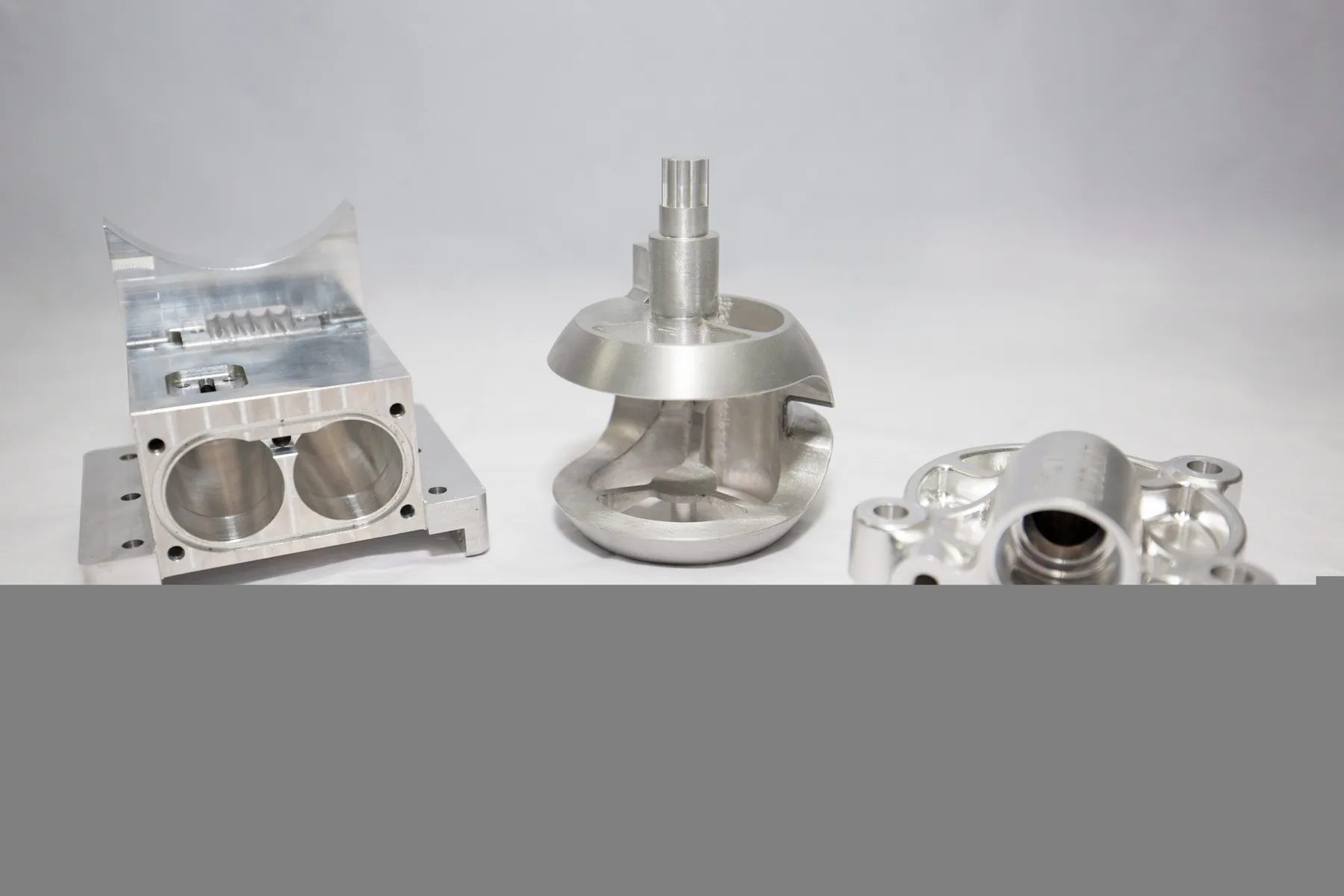
3-axis and 4-axis vertical machining centres for brackets, housings, plates and enclosures, from one-off prototypes to repeat batches.
Learn moreStandard CNC lathes and live-tool turning centres up to Ø380 mm swing. Shafts, bushings, fittings, connectors and threaded components turned complete in one setup.
Learn more5-axis machining centre (U400A) for complex, multi-face geometry in one setup. Angled features and compound surfaces finished in a single clamping.
Learn moreA practical comparison of Swiss-type lathes and turn-mill centers for long, slender, tight-tolerance shafts — when each wins on roundness, taper, and cost.
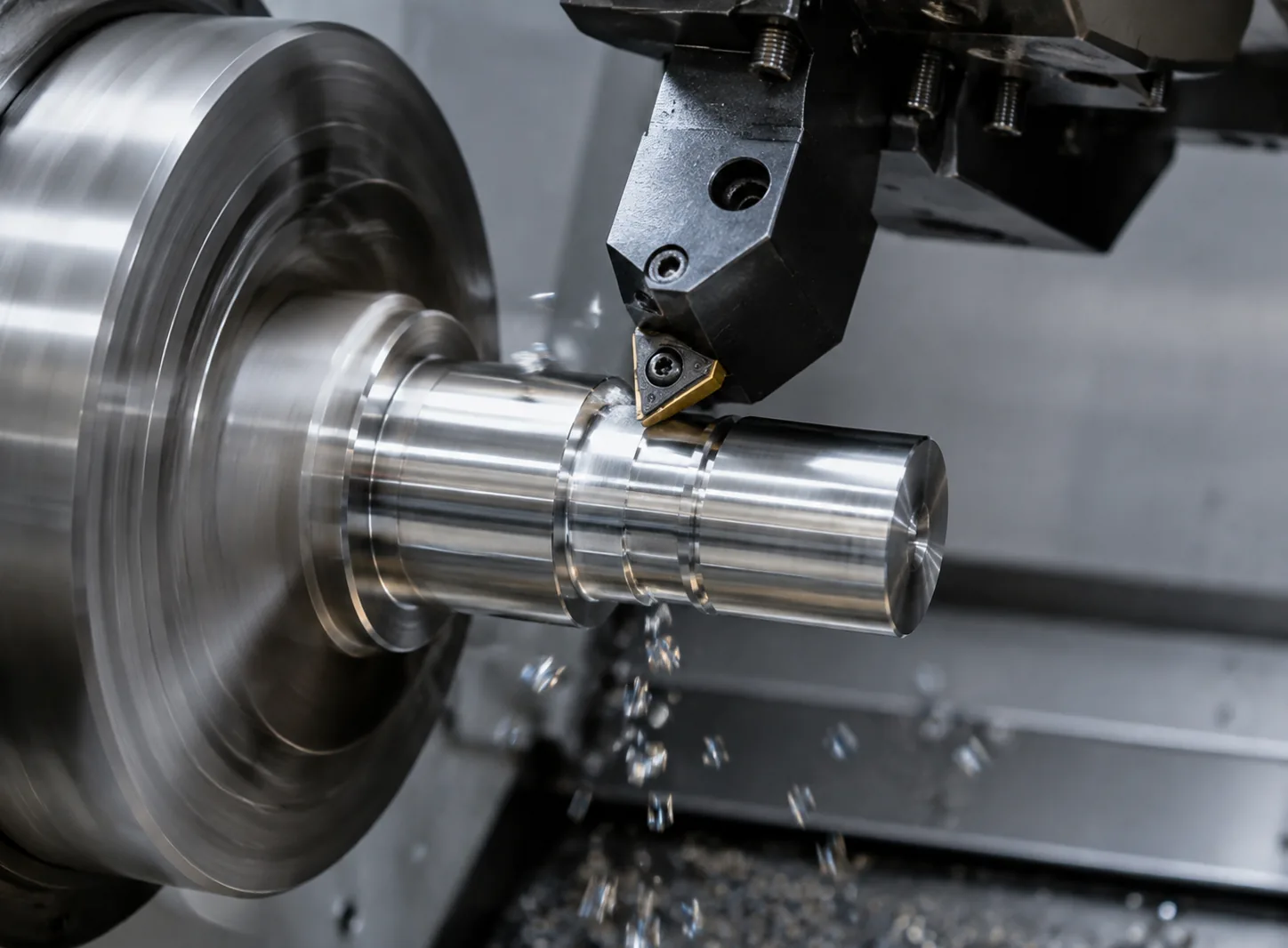
The realities of micro-milling and micro-turning for miniature and electronics parts — tool deflection, spindle speed, and why rigidity beats raw power

Thread milling vs tapping: how hole depth, material, tool life, and chip control decide which internal threading method is cheaper, faster, and more reliable.
Send your drawings and requirements. Quote, lead time and DFM feedback by email.