
Process
Thread Milling vs Tapping: Hole Depth, Tool Life, and When to Switch
Thread milling vs tapping: how hole depth, material, tool life, and chip control decide which internal threading method is cheaper, faster, and more reliable.
Bridge the gap between prototype and tooling. Machined or soft tooling keeps unit cost reasonable without committing to a hardened production tool before the design is frozen.
Bridge the gap between prototype and tooling. Machined or soft tooling keeps unit cost reasonable without committing to a hardened production tool before the design is frozen.

| Stage | What to Expect |
|---|---|
| Prototype | One or a few parts machined in your real material and process |
| Trial batch | A small run to lock the process and approve the sample |
| Production run | Repeatable batches quoted against your drawing and confirmed sample |
We quote volume, lead time and tolerance against your actual drawing and confirmed material — rather than promising generic numbers up front.
Machine a real part in the real material in days rather than waiting weeks for tooling. Every quote includes DFM feedback, and design changes between iterations cost nothing.
Learn morePrototypes machined from the production material with the production process, so fit, strength, thermal behaviour and wear are tested honestly instead of approximated.
Learn moreRepeatable in-house machining with inspection on each run. Fabrication and finishing handled under one roof, with the documentation we actually provide — inspection report and material certs on request.
Learn moreThread milling vs tapping: how hole depth, material, tool life, and chip control decide which internal threading method is cheaper, faster, and more reliable.
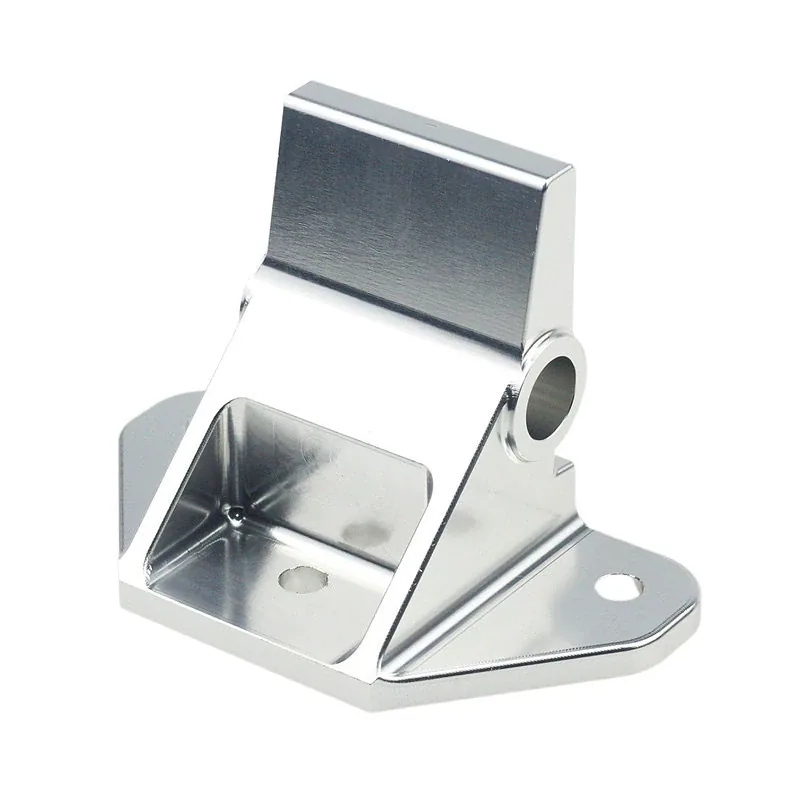
Precision boring holds roundness, straightness, and position in deep holes. How boring bar deflection, tool selection, and in-process checks decide the result.
Send your drawings and requirements. Quote, lead time and DFM feedback on your real drawing.