Process
3-Axis vs 5-Axis CNC Machining: Cost, Setup Time, and When It Pays
When does a 5-axis machine lower cost per part instead of raising it? Setup math, fixture count, and a worked 6061 aluminum bracket, fully broken down.
In-house at our Dongguan facility, with dimensional inspection by optical measuring systems, height gauges and calipers.
Milling is where most precision parts start. We run 3-axis and 4-axis vertical machining centres covering a practical range of table sizes, with spindle speeds suited to aluminium and steel. That spread matters: a large aluminium housing and a small stainless bracket have almost nothing in common, and running both on the right class of machine means one of them is being machined badly.
For prototype work we machine directly from solid stock. There is no tooling to amortise, so a design change between batches costs you nothing but the new toolpath. For repeat work we build dedicated fixtures and store the setup, so batch five runs on the same offsets as batch one.
Standard milling accuracy is ±0.05 mm on critical dimensions, with geometry held to the drawing where it is called out. As-milled surface finish lands at Ra 1.6 µm as a shop default and Ra 0.8 µm with a finishing pass. Tighter is possible — it just needs to be on the drawing.
| Machine Type | Configuration | Typical Work |
|---|---|---|
| 4-Axis VMC | 4-axis, live-tool capable | Aluminium and steel brackets, housings, plates |
| 3-Axis VMC | 3-axis | Prototypes, enclosures, fixtures |
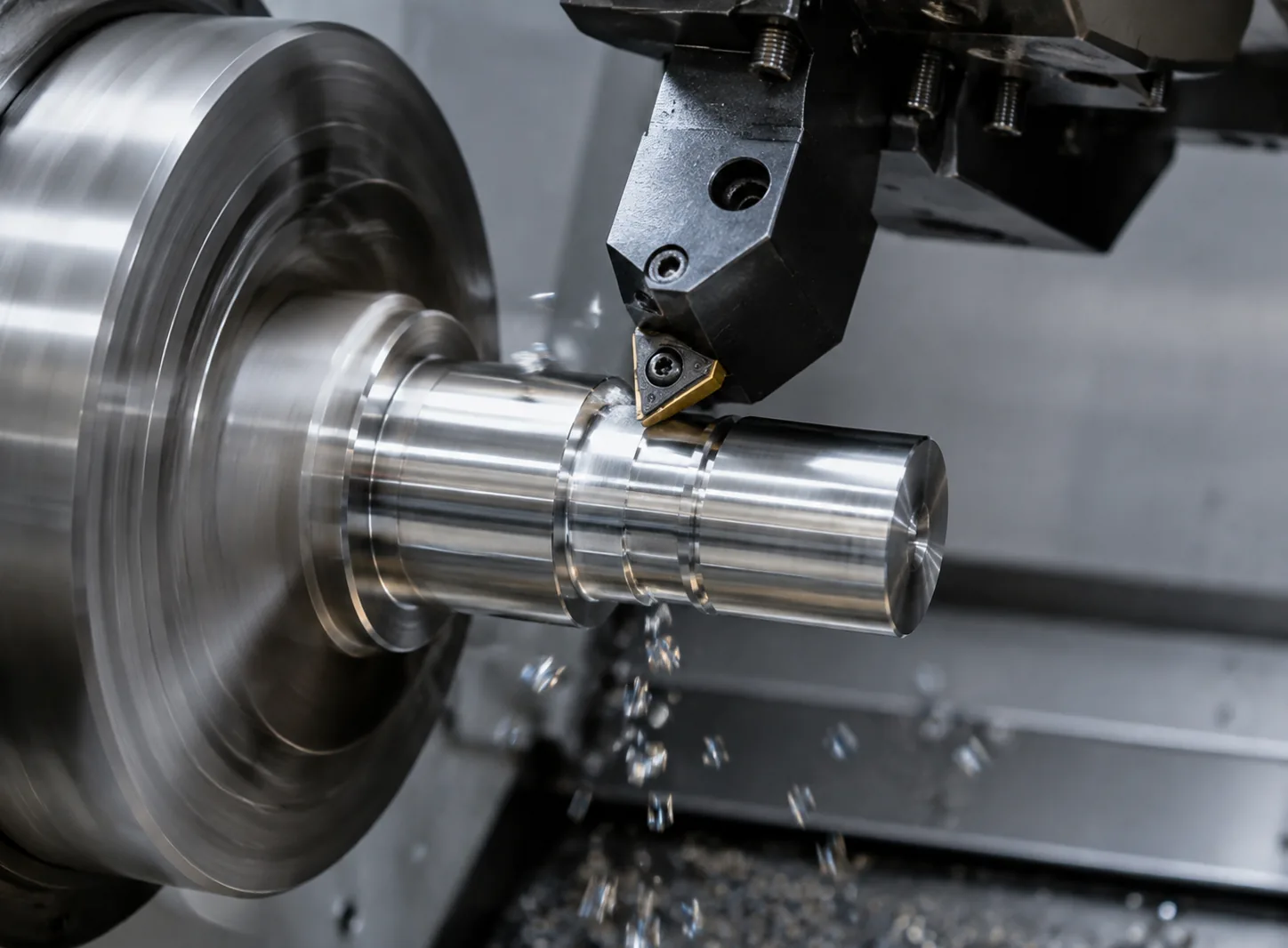
Standard CNC lathes and live-tool turning centres up to Ø380 mm swing. Shafts, bushings, fittings, connectors and threaded components turned complete in one setup.
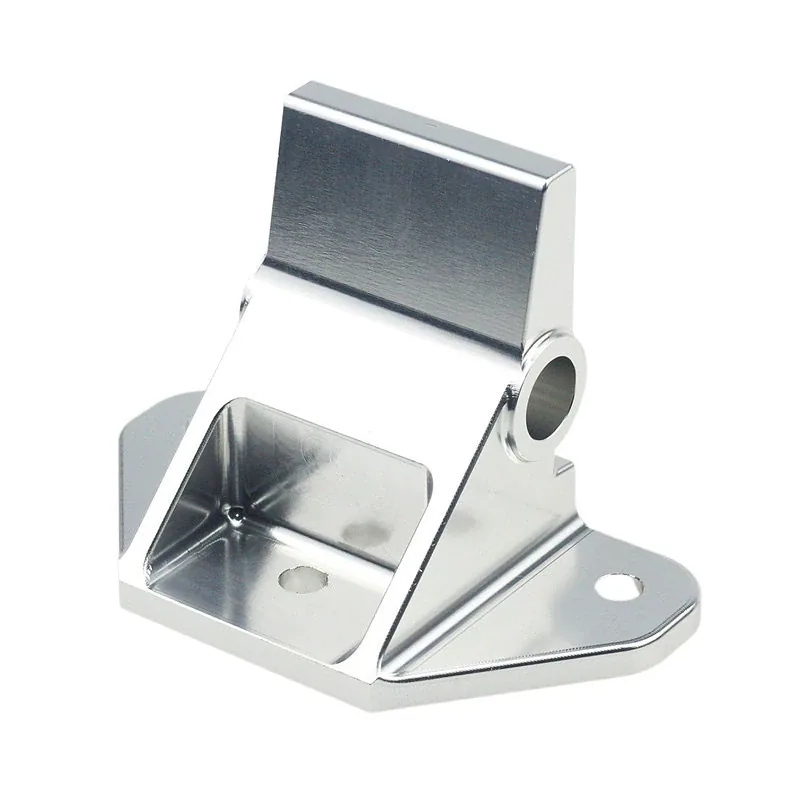
Learn more5-axis machining centre (U400A) for complex, multi-face geometry in one setup. Angled features and compound surfaces finished in a single clamping.
Learn moreSwiss-type and sliding-head turning for long slender shafts, micro parts and high-volume turned components with sub-spindle and Y-axis work.
Learn moreWhen does a 5-axis machine lower cost per part instead of raising it? Setup math, fixture count, and a worked 6061 aluminum bracket, fully broken down.

Thread milling vs tapping: how hole depth, material, tool life, and chip control decide which internal threading method is cheaper, faster, and more reliable.

Precision boring holds roundness, straightness, and position in deep holes. How boring bar deflection, tool selection, and in-process checks decide the result.
Send your drawings and requirements. Quote, lead time and DFM feedback by email.