Heat Treatment of Machined Parts: Annealing, Hardening, Distortion
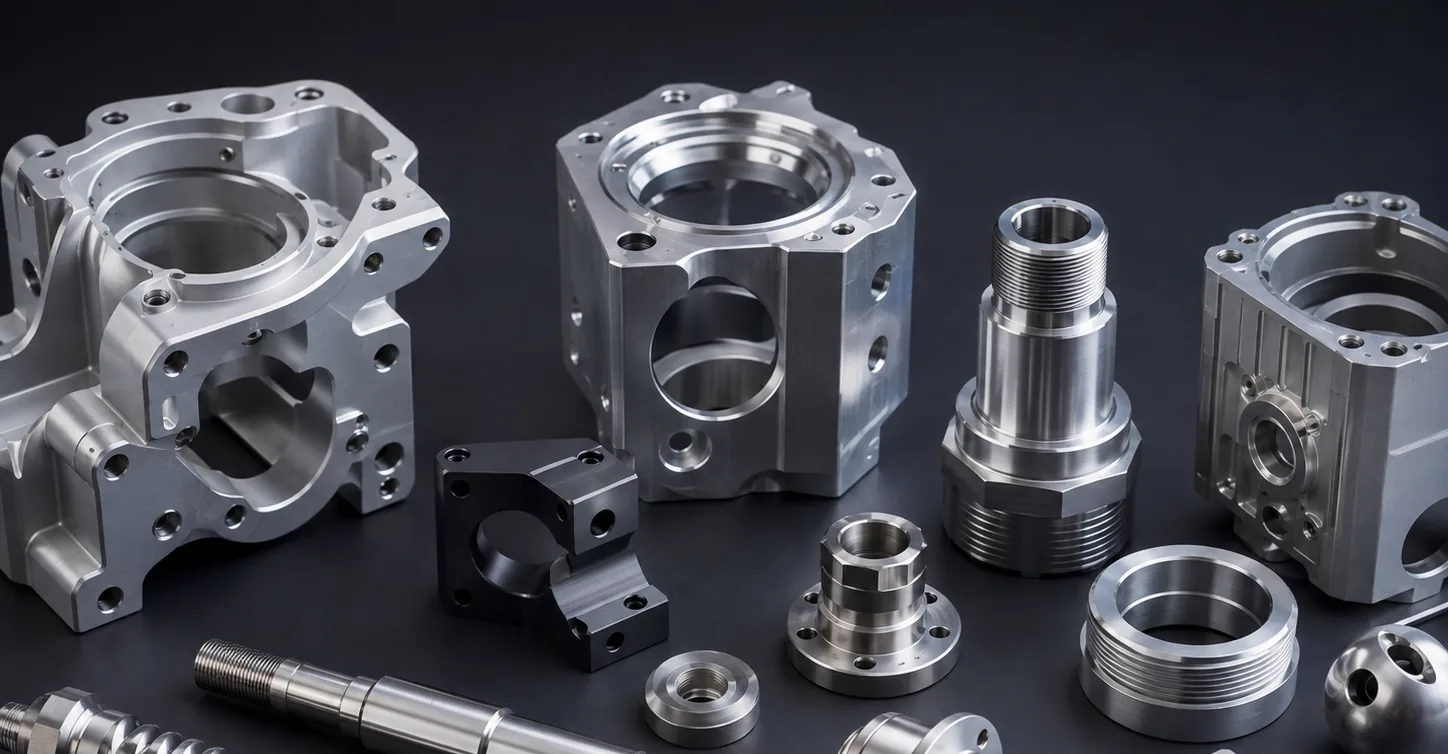
Heat treatment changes a machined part's hardness, residual stress, and size. Compare annealing, hardening, and stress relief by cost, risk, and distortion.

Process guides, tolerance advice and material notes written by the engineers who run the machines — 25 articles on what actually works.

Heat treatment changes a machined part's hardness, residual stress, and size. Compare annealing, hardening, and stress relief by cost, risk, and distortion.


Deburring decides whether a part feels finished or sharp. Compare manual, vibratory, tumbling, and edge-break methods by cost, finish, and edge condition.

Cutting fluid choice decides tool life, surface finish, and part cost. Here's how to pick flood, mist, MQL or dry, and how to hold concentration in range.

Thin-walled parts bow under clamps. See how vacuum fixtures hold them flat with even pressure, plus the force math and cutting rules that stop distortion.

Long stringy chips wrap spindles, scratch parts, and stop lights-out runs. Learn the chip breakers, feeds, and coolant that keep chips short and evacuation clean.

Tool wear monitoring catches a dull cutter before it scraps parts or stops the run. Read spindle load, surface finish, and tool life to schedule changes.

Cut CNC turnaround time on 6061-T6 aluminum from design, scheduling, and process side. Standardize holes, trim setups, pre-book anodizing, skip the rush fees.

What actually drives CNC quote cost: setups, tolerances, material yield, cycle time, finishing, and inspection — plus design moves that cut machining cost.

Subtractive vs additive: where CNC wins on tolerance, material strength and batch cost, and where 3D printing pays off on complex geometry and fast prototypes.

Machining PEEK plastic needs different speeds, feeds, and heat control than other plastics. Cutting, annealing, and stress relief to hold tight tolerance.

How GD&T symbols on a print decide whether a CNC part is manufacturable and affordable. True position, profile, datums, and the tolerance traps to avoid.

Milling or turning? How part geometry, material, tolerance, and volume decide which CNC process costs less and holds the tolerances your print calls out.

High-speed machining aluminum cuts cycle time with shallow engagement, high spindle speeds, and chip thinning. The tooling and toolpaths that work on 6061.

Machining 316L stainless steel is hard on tools. Here are the speeds, feeds, coolant, and tooling choices that control work hardening and hold tight tolerances.

CNC rapid prototyping turns a CAD file into a real machined part in days. Materials, tolerances, cost, and how it compares to 3D printing for fit and function.

Precision boring holds roundness, straightness, and position in deep holes. How boring bar deflection, tool selection, and in-process checks decide the result.

Thread milling vs tapping: how hole depth, material, tool life, and chip control decide which internal threading method is cheaper, faster, and more reliable.

Anodizing vs bead blasting for aluminum parts: how each changes finish, corrosion resistance, dimensions, and cost, plus a practical decision checklist.

When does a 5-axis machine lower cost per part instead of raising it? Setup math, fixture count, and a worked 6061 aluminum bracket, fully broken down.

Practical parameters and tool strategies for milling and turning Inconel 718 and Hastelloy C276 — why heat, work hardening, and built-up edge decide your tool life.

A practical comparison of Swiss-type lathes and turn-mill centers for long, slender, tight-tolerance shafts — when each wins on roundness, taper, and cost.

A manufacturing engineer's DFM checklist: internal corner radii, thin walls, deep holes, standard threads, and tolerance stacking — and how each affects cost and yield.

Why Ra alone does not describe a surface, how cutter path, stepover, and nose radius drive finish, and where a surface grinder is the only right tool.

The realities of micro-milling and micro-turning for miniature and electronics parts — tool deflection, spindle speed, and why rigidity beats raw power at small diameters.

Why copper C1100 heat sinks need razor-sharp tools, optimized feeds, and careful burr control — and how to keep fragile fins from deflecting on a 20,000-piece run.
Send your drawings and requirements. Quote, lead time and DFM feedback by email.