
Process
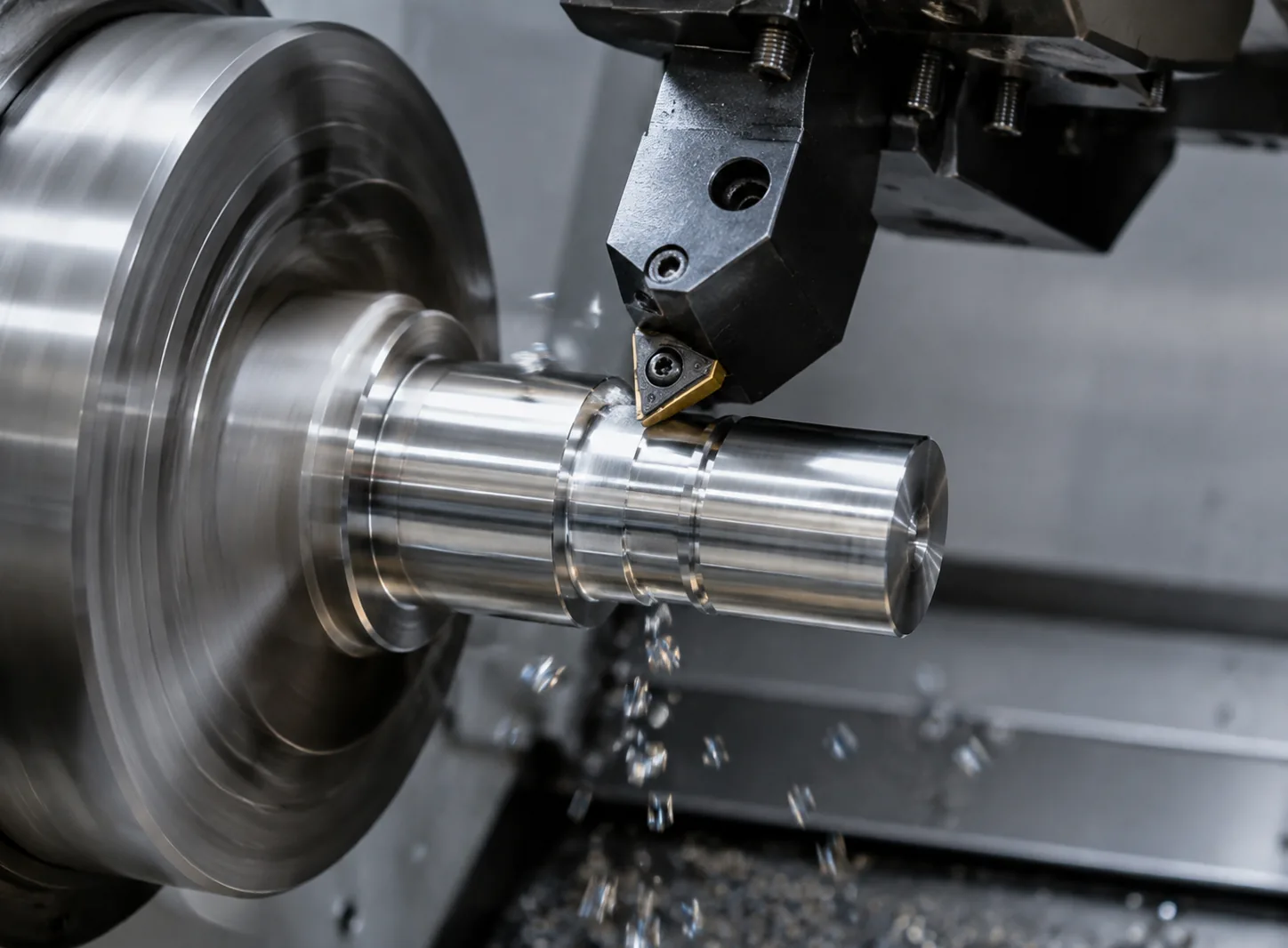
Swiss-Type vs Turn-Mill: Choosing the Right Process for Long Slender Shafts
A practical comparison of Swiss-type lathes and turn-mill centers for long, slender, tight-tolerance shafts — when each wins on roundness, taper, and cost.
CNC machining for robotics: servo flanges, end-effectors, linkages and sensor mounts with concentricity held in one setup.
Robotics parts are where concentricity and repeatability decide whether a joint moves smoothly or chatters. We machine servo flanges, end-of-arm tooling and precision linkages, holding bores true to pilots in a single setup where it matters.
| Material | Typical Use | Tolerance |
|---|---|---|
| Aluminium 7075-T6 | Links, housings | ±0.01 mm |
| 316L stainless | Flanges, couplings | ±0.008 mm |
| POM / Delrin | Bushings, wear parts | ±0.02 mm |
Machined aluminum brackets, housings, plates, shafts and small precision parts for robotics and automation. Prototype to batch, inspected in-house to your drawing.
We do not present fictional customer projects. What we will give you is a straight price and DFM answer on your drawing, checked and inspected in-house before it ships.
A practical comparison of Swiss-type lathes and turn-mill centers for long, slender, tight-tolerance shafts — when each wins on roundness, taper, and cost.
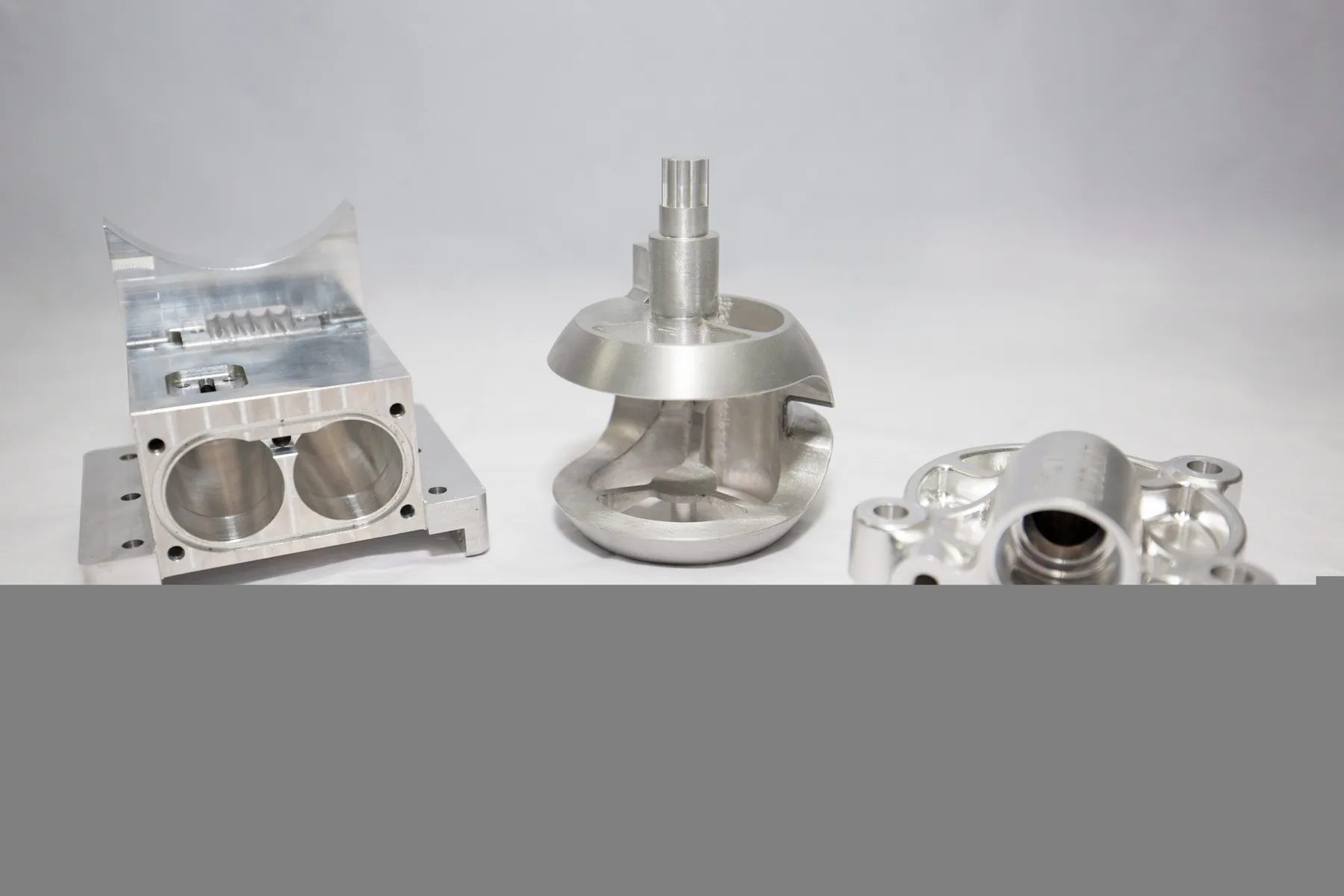
Precision boring holds roundness, straightness, and position in deep holes. How boring bar deflection, tool selection, and in-process checks decide the result.

Thread milling vs tapping: how hole depth, material, tool life, and chip control decide which internal threading method is cheaper, faster, and more reliable.
Send your drawings and requirements. Quote, lead time and DFM feedback by email.